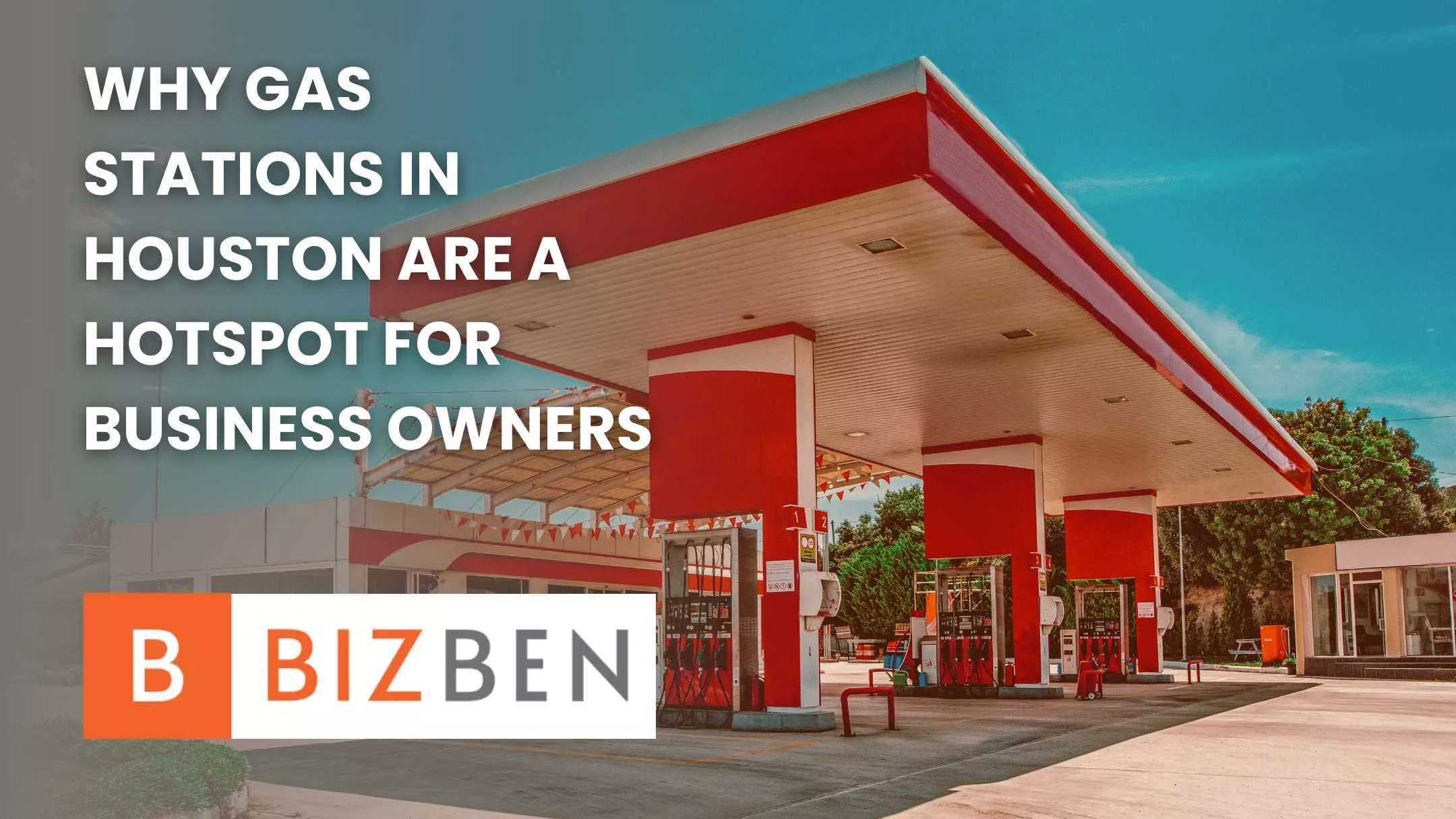
Owning a gas station in Houston has become one of the most attractive opportunities for business owners. Houston’s booming population, reliance on vehicles, and reputation as the energy capital of the U.S. create a steady demand for fuel and convenience services. Add in prime locations along highways, business hubs, and neighborhoods, and it’s clear why investors see long-term value in this sector. Simply put, a gas station in Houston offers stability, diverse revenue streams, and growth potential unmatched by many other small business models.
The Demand for Gas Stations in Houston
The city of Houston is home to over 2.3 million residents and is part of a metro area with nearly 7.3 million people. With such a vast population spread across suburban and urban areas, the reliance on vehicles is enormous. Unlike cities with highly developed public transportation, Houston’s economy depends heavily on road networks, commuters, and logistics, fueling consistent demand for gas stations.
Houston also serves as a transport hub, with the Port of Houston, George Bush Intercontinental Airport, and interstate highways like I-10 and I-45 running through it. These transportation corridors mean steady traffic flow and high fuel sales. Beyond fuel, convenience stores inside gas stations attract both locals and travelers, making these businesses recession-resistant. The everyday need for fuel and essentials ensures that demand for gas stations in Houston rarely declines, even when other industries face downturns.
Profitability Factors of Gas Stations
A gas station in Houston makes money in more ways than just selling fuel. In fact, fuel margins are often thin, typically 3 to 5 cents per gallon, while up to 70% of profit can come from convenience store sales. Items such as snacks, beverages, lottery tickets, and car accessories generate higher markups. Many modern gas stations also include car washes, fast-food outlets, or branded coffee counters, further diversifying revenue streams.
According to industry data, the average U.S. gas station generates between 1.5% and 3% net profit margins, but in Houston, owners often outperform this due to high traffic volumes and the city’s growing population. Smart operators focus on location, extended service offerings, and maintaining competitive prices to maximize profitability. By combining fuel sales with retail convenience and value-added services, gas stations in Houston can build a loyal customer base while securing long-term financial stability.
Franchise vs Independent Gas Stations in Houston
One major decision business owners face is whether to buy a franchise gas station or operate independently.
Franchise Gas Stations
Franchise stations like Shell, Chevron, or Exxon offer brand recognition, established supply chains, and customer trust. They typically have easier access to financing since lenders view them as lower risk. However, franchisees must follow strict branding rules, pay fees, and share profits through royalty agreements.
Independent Gas Stations
Independent business owners have more control over operations, pricing, and retail offerings. They can diversify products and negotiate competitive supplier contracts. However, they may face challenges in attracting loyal customers without a big-name brand and may need to invest more in marketing.
Both models can succeed in Houston, but the choice depends on budget, long-term goals, and risk appetite. Investors focused on quick brand recognition may lean toward franchises, while entrepreneurs seeking flexibility often choose independent stations.
Regulatory & Licensing Requirements
Opening a gas station in Houston isn’t just about securing a good location; it also requires compliance with business licensing and environmental regulations. Operators must obtain permits for underground fuel storage tanks, fire safety, signage, and occupancy. Additionally, the Texas Comptroller’s Office requires registration for sales tax collection and remittance, while fuel tax obligations apply at both the state and federal levels.
Environmental compliance is especially critical, given Houston’s role in the energy industry. Fuel spills, emissions, and waste disposal are heavily regulated, and violations can lead to steep fines. Working with local legal and compliance experts ensures a smooth licensing process and reduces long-term risks for business owners.
Investment Potential & Market Trends
Houston’s economy is closely tied to the oil and gas sector, which makes gas stations uniquely positioned to benefit from local demand. Even with the rise of electric vehicles, fuel demand in Houston remains strong due to the city’s size, reliance on trucks, and logistics industry.
Real estate also plays a role in investment potential. Prime corners near highways, busy intersections, and suburban developments offer the highest traffic volume and ROI. On average, gas station owners in Texas report annual revenues between $2 million and $5 million, depending on size, location, and services offered. In addition, many gas station properties appreciate in value, offering owners not just business income but also real estate equity.
Comparative Profit Margins
To better understand Houston’s position in the market, here’s a comparison of average profit margins for gas stations:
| Location | Average Net Margin | Key Factors Influencing Profitability |
| Houston, TX | 2.5% – 4% | High traffic, strong retail sales, logistics demand |
| Texas Statewide Average | 2% – 3% | Rural vs urban variance, fuel distribution |
| U.S. National Average | 1.5% – 3% | Lower margins in highly competitive urban centers |
This comparison highlights why a gas station in Houston often outperforms the national average, making it a compelling investment option.
Risks & Challenges for Gas Station Owners
While the opportunity is attractive, there are also risks in operating a gas station in Houston. Competition is intense, with many branded and independent stations across the city. Rising and fluctuating oil prices can impact margins, forcing owners to rely heavily on retail sales to maintain profitability.
Another challenge is the operational burden of 24/7 service. Staffing shortages, theft, and security concerns can increase costs for business owners. Additionally, long-term concerns around the growth of electric vehicles may require diversification strategies such as EV charging stations to future-proof investments. Despite these risks, strong demand and Houston’s unique economic position keep gas stations profitable for well-prepared operators.
Conclusion
A gas station in Houston remains one of the most sought-after business opportunities for entrepreneurs. The city’s population growth, vehicle dependence, and role as an energy hub ensure steady fuel demand. When combined with retail sales, car wash businesses, and strategic location choices, gas stations provide both stability and long-term profitability. By carefully navigating licensing, environmental compliance, and market competition, investors can secure a business that thrives today while adapting to tomorrow’s changes.
FAQs
- How profitable is a gas station in Houston?
Most gas stations in Houston earn higher-than-average margins, especially when they combine fuel with retail and service offerings.
- What licenses do I need to open a gas station in Houston?
You’ll need permits for fuel storage, fire safety, sales tax, and occupancy, plus industry-specific environmental approvals.
- Is it better to buy a franchise gas station or an independent one in Houston?
Franchises provide brand recognition and support, while independents offer flexibility and higher control. Both models succeed in Houston.
- How much does it cost to buy a gas station in Houston?
Costs range widely from $500,000 for smaller stations to $5 million+ for large, high-traffic properties.
- What makes Houston unique for running a gas station business?
Houston’s size, high vehicle reliance, and location as an energy and logistics hub make it an ideal market for gas station ownership.
About the Author: Chris Chi

Related Posts












you might also like



Financing
By Peter Siegel, MBA

Financing,Franchise,How To Sell A Business
By Chris Chi

Financing,SBA Loan,Uncategorized
By Joshua Kim

Due Diligence,Financing,How To Buy A Business,How To Sell A Business
By Greg Carpenter